

Planning Ahead for the Holiday Season: Helping Seniors Enjoy the Season
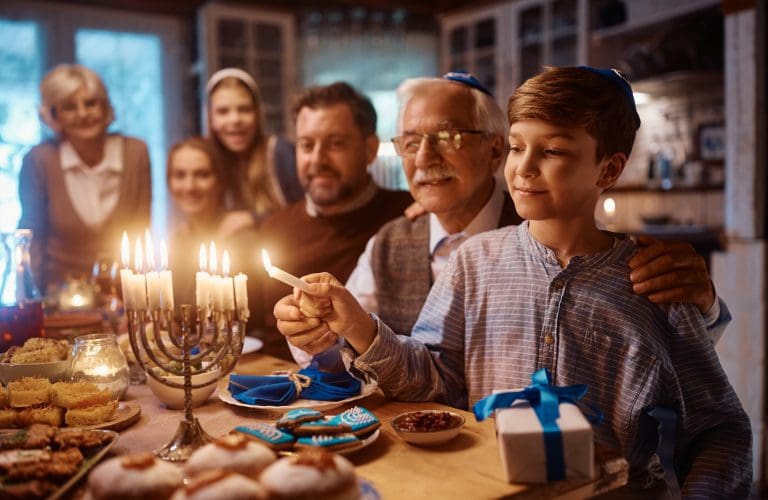
The holiday season brings family, friends, favorite foods, and cherished traditions. It can also bring a full calendar, a long shopping list, and a little guilt about how to fit everything in. How many holiday parties can we attend, and how many Yankee Swap gifts do we really need to buy? We want to share tips for helping the senior in your life enjoy the holiday season.
Before the season gets into full swing, a little planning can help take some pressure off. If you’re celebrating with an older loved one, it’s also an opportunity to consider what will make gatherings comfortable, enjoyable, and meaningful for them.
Whether your family celebrates Thanksgiving, Hanukkah, Christmas, or other traditions, a few thoughtful adjustments can help everyone appreciate their time together.
Thanksgiving: A Time to Gather and Reconnect
For many families, Thanksgiving kicks off the holiday season. It’s a chance to gather around the table, share favorite dishes, and catch up without the added pressure of exchanging gifts.
If you haven’t spent much time with an aging parent or relative recently, a longer visit may also help you notice changes that aren’t as apparent over the phone or during a quick stop.
As you spend time together, consider:
- Getting around: Are they having more difficulty getting out of the car, climbing steps, or standing up from a chair?
- Comfort and energy: Do familiar activities seem more tiring than they used to?
- Mealtime: Are they comfortably using utensils and enjoying their meal, or do they seem to need additional support?
- Conversation: Are they joining in as usual, or having trouble hearing, following the discussion, or feeling included?
Keep the focus on enjoying your time together. If something seems different, find a quiet moment to ask how they’ve been feeling and whether anything has become more challenging. Approach the conversation with curiosity and care, leaving room for your loved one to share their perspective.
Hanukkah: Keeping Traditions Accessible and Meaningful
Hanukkah offers eight nights to celebrate traditions, share stories, and connect across generations. Planning ahead can help your loved one participate in the parts of the holiday that matter most to them.
Plan for Safe Candle Lighting
Talk with your loved one about how they would like to participate in lighting the menorah and what support would be helpful. An electric menorah may be an option for a festive display, while preferences around religious observance should guide plans for ritual candle lighting.
If using candles or oil, place the menorah on a sturdy, nonflammable surface away from decorations, curtains, and places where it could be knocked over. Never leave it burning unattended.
Make Participation Easier
Large-print prayers and song lyrics can make it easier for everyone to follow along. Comfortable seating near the celebration can also help your loved one remain involved without standing for long periods.
If preparing traditional foods has always been part of their holiday, ask which tasks they would enjoy. A seated finishing station for adding toppings or arranging food on platters can help them contribute while reducing time spent standing at the stove.
Share Stories Without Pressure
Favorite songs, family photographs, and familiar traditions can create opportunities to reminisce. For someone living with dementia, let memories and conversation unfold naturally rather than asking them to recall specific names or events. Follow their lead and focus on enjoying the connection.
Video calls can also bring distant relatives into the celebration. Having someone help set up the call allows your loved one to focus on spending time with family.
Spread Out the Visits
Eight nights offer flexibility. Rather than arranging one large gathering, consider smaller visits with different family members throughout the holiday.
For someone living with dementia, a quieter celebration may feel more comfortable than a crowded room with several conversations happening at once. Coordinate plans with family so visits leave time for rest and familiar routines.
Christmas: Making Room for Comfort and Flexibility
Christmas can come with the expectation that everyone should gather in the same place at the same time. Giving yourself permission to adjust those expectations can make the celebration more enjoyable.
When planning, consider your loved one’s preferences, daily routine, and comfort.
Choose a Time That Works
Does your loved one feel their best in the morning? Do they usually rest after lunch? A Christmas brunch or an earlier dinner may work better than an evening celebration.
Shorter visits are another option. Your parent might enjoy opening gifts and sharing a meal, then head home before becoming tired. Let them know that leaving early or taking a break is perfectly fine. For someone living with dementia, planning around their usual routine can help make the day more comfortable.
Create a Welcoming Space
Before guests arrive, think through how your loved one will move around the home. Is there enough room for a walker or wheelchair? Are entrances and bathrooms accessible? Can loose rugs, electrical cords, or decorations be moved out of walking paths?
Offer a comfortable seat where they can feel part of the gathering. It’s also helpful to have a quieter space available if they want a break from music, conversation, or excited children.
Think Through Transportation
In New England, holiday plans often depend on the weather. Arrange transportation in advance, consider whether your loved one is comfortable traveling after dark, and leave room to change plans if conditions are poor.
Offering a ride or bringing a smaller celebration to them may make the day easier for everyone.
Keep Favorite Foods on the Menu
Holiday meals carry memories, and familiar dishes can be an important part of the celebration. Ask your loved one what they’re looking forward to eating and whether there are dietary needs to keep in mind.
You may be able to keep family favorites while offering a few additional choices that fit their needs. Let your loved one choose portions that feel comfortable, offer help if requested, and keep the focus on enjoying the meal together.
Leave Room for Traditions to Evolve
A meaningful holiday doesn’t require everyone to stay all day or every tradition to happen exactly as it always has. Sometimes a smaller gathering, a different mealtime, or a new way to participate makes room for more connection.
Include your older loved one in the planning, ask what matters most to them, and share responsibilities with family members. A little flexibility can help everyone spend less time managing expectations and more time enjoying the people who make the season special.
For more helpful tips around the holidays, read our blogs:
A Guide to Holiday Planning – 10 Helpful Topics to Consider
Tips for Navigating Holiday Traditions
Thanksgiving Tips: Supporting Aging Parents with Insights from PT, OT, and Speech Therapy
Sources:
Caring Professionals, Inc.
Download our Choosing the Right Community Guide
Click to Download